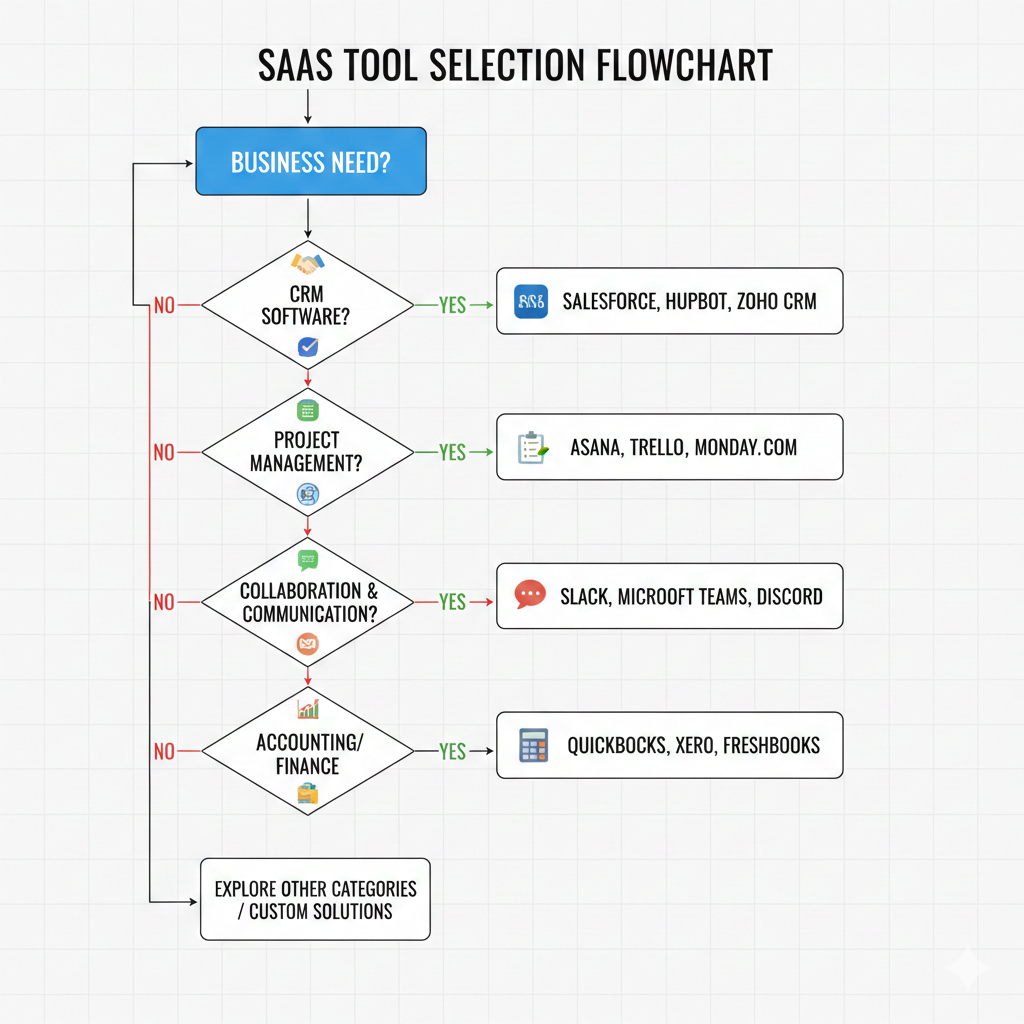

With thousands of SaaS solutions available today, choosing the right platform can be overwhelming. From CRM and accounting tools to HR and marketing software, SaaS plays a critical role in modern business operations. Selecting the right solution requires careful planning and evaluation.
The first step is identifying business requirements. Companies must clearly define the problems they want to solve. For example, a sales team may need CRM automation, while a marketing team may require analytics and campaign management tools. Understanding goals helps narrow down suitable options.
Next, consider scalability and integration. A good SaaS platform should grow with your business and integrate seamlessly with existing tools. APIs, third-party integrations, and customization options are essential for long-term success.
Security and compliance are also crucial. Businesses should evaluate data encryption, access controls, and compliance with standards like GDPR or ISO certifications. Trusting a SaaS provider means trusting them with sensitive business data.
Pricing models vary widely, so understanding total cost of ownership is important. Some platforms charge per user, while others charge based on usage or features. Hidden costs can arise as teams scale.
Finally, user experience and support should not be overlooked. Intuitive interfaces and responsive customer support ensure higher adoption rates across teams.
Choosing the right SaaS platform empowers businesses to streamline workflows, reduce costs, and improve productivity—making it a strategic investment rather than just a software purchase.